How Much Wedding Photography Coverage Do You Need?
One of the most common questions couples ask us is: how many hours of wedding photography do we actually need?
For most full wedding days, couples choose between six, eight and ten or more hours of coverage. The right amount depends on your locations, traditions, family photo list and how much of the day you want documented.
It is also about how you want the day to feel. More coverage can give your timeline breathing room for travel, delays, family photos and spontaneous moments, so the celebration does not feel built around the camera.
Six hours: Best for a streamlined wedding at one venue, with limited getting-ready or reception coverage.
Eight hours: Best for coverage from the final getting-ready moments through the main reception events, typically including the first dances, with more breathing room throughout the day.
Ten hours+:Best for multiple locations, cultural traditions, outfit changes, larger families and fuller dance-floor coverage without rushing from one part of the day to the next.
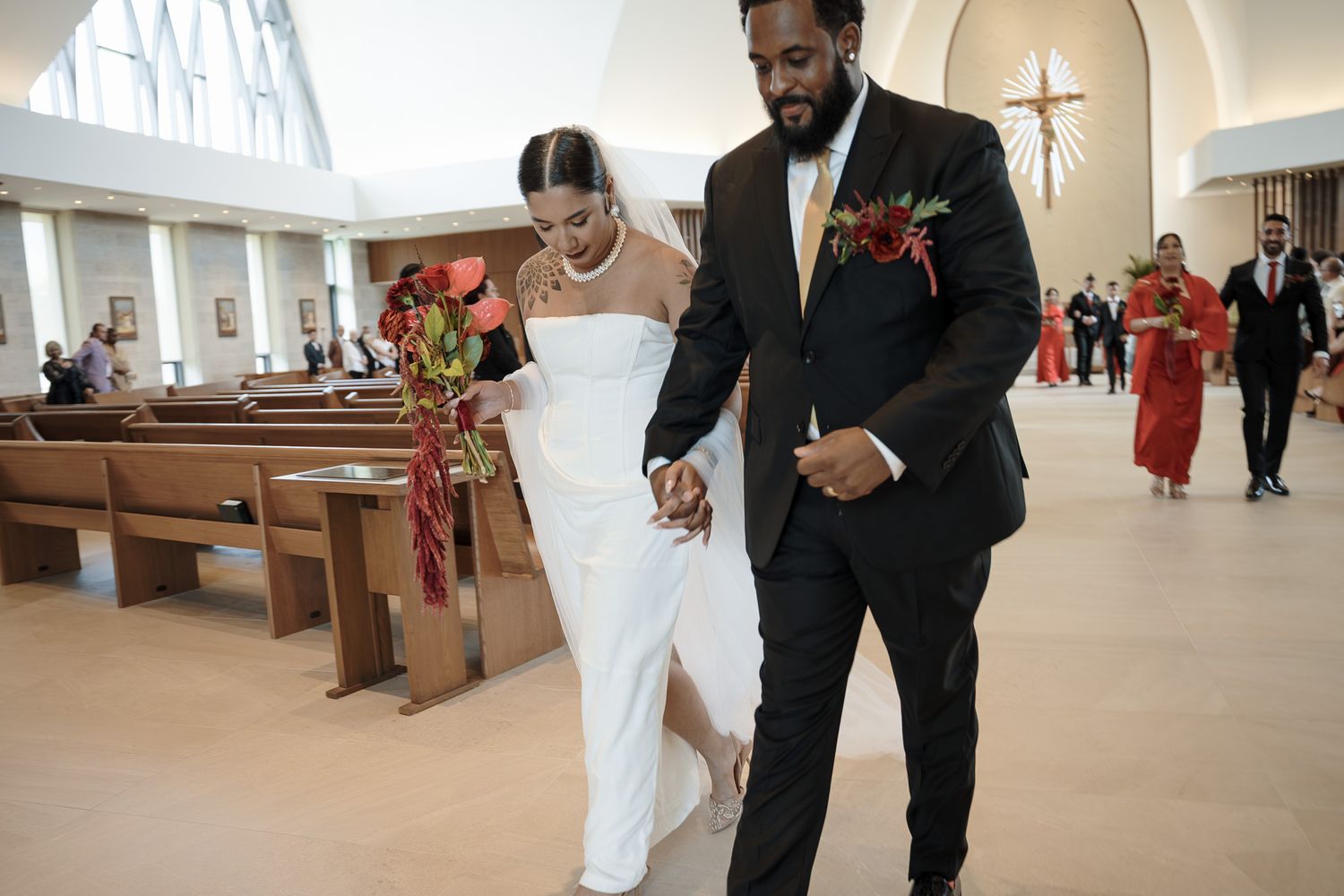
Sample Six-Hour Wedding Photography Timeline
A six-hour timeline works best when most of the day takes place at one venue/location and the main events are scheduled close together.
Real Six-Hour Wedding Timeline at The Broadview Hotel
3:30 PM
Final getting-ready moments and first look
4:30 PM
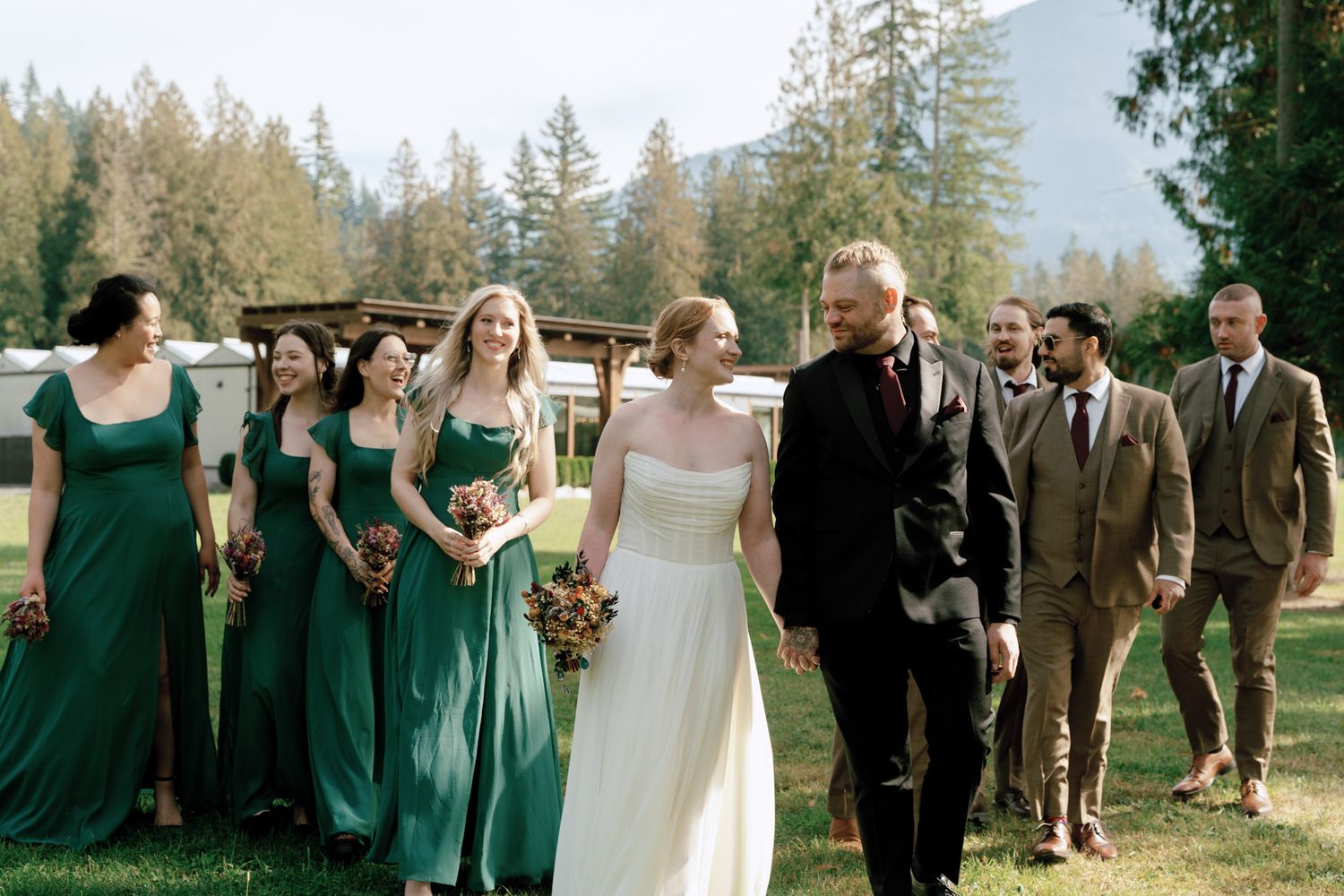
Couple and wedding-party portraits
5:30 PM
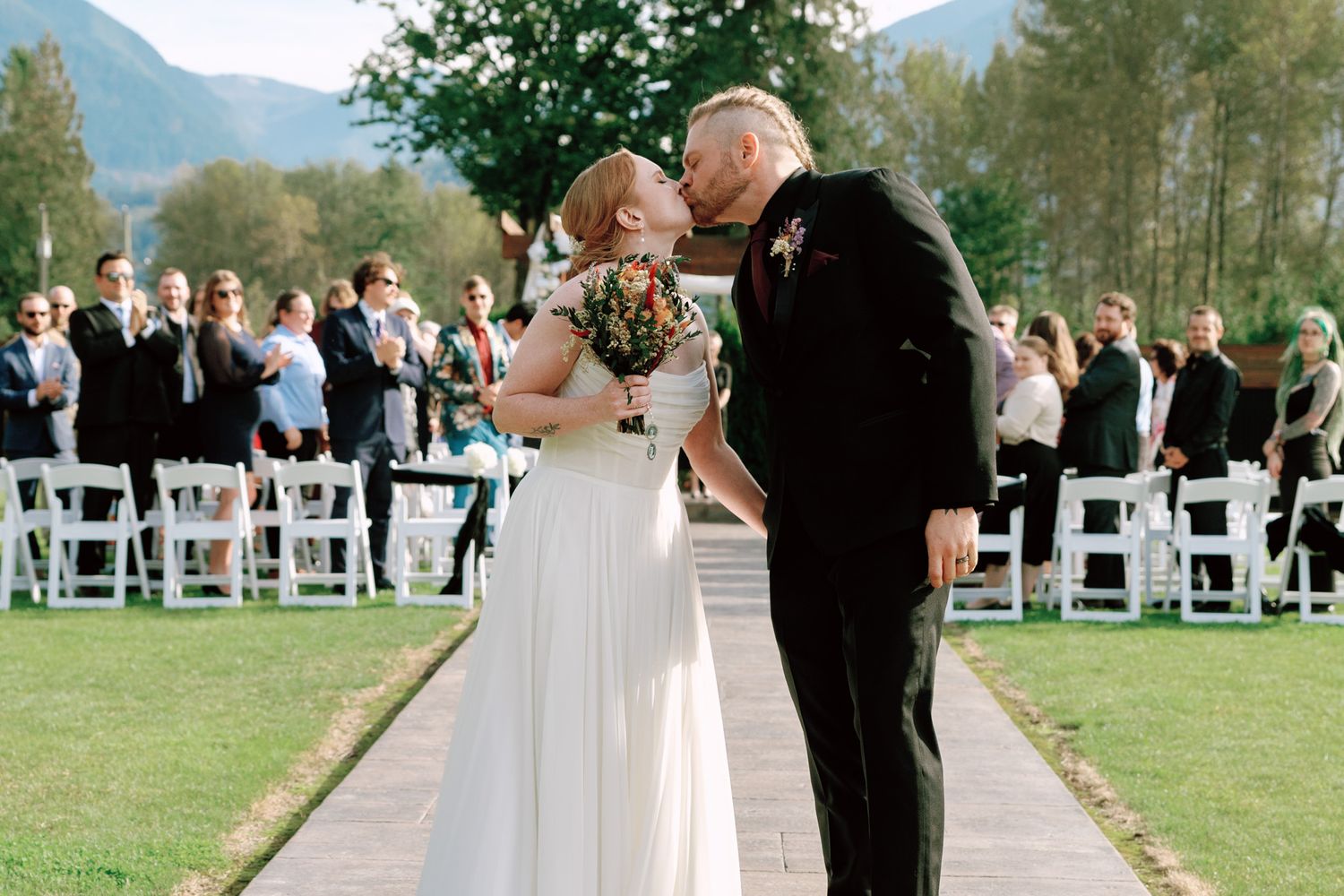
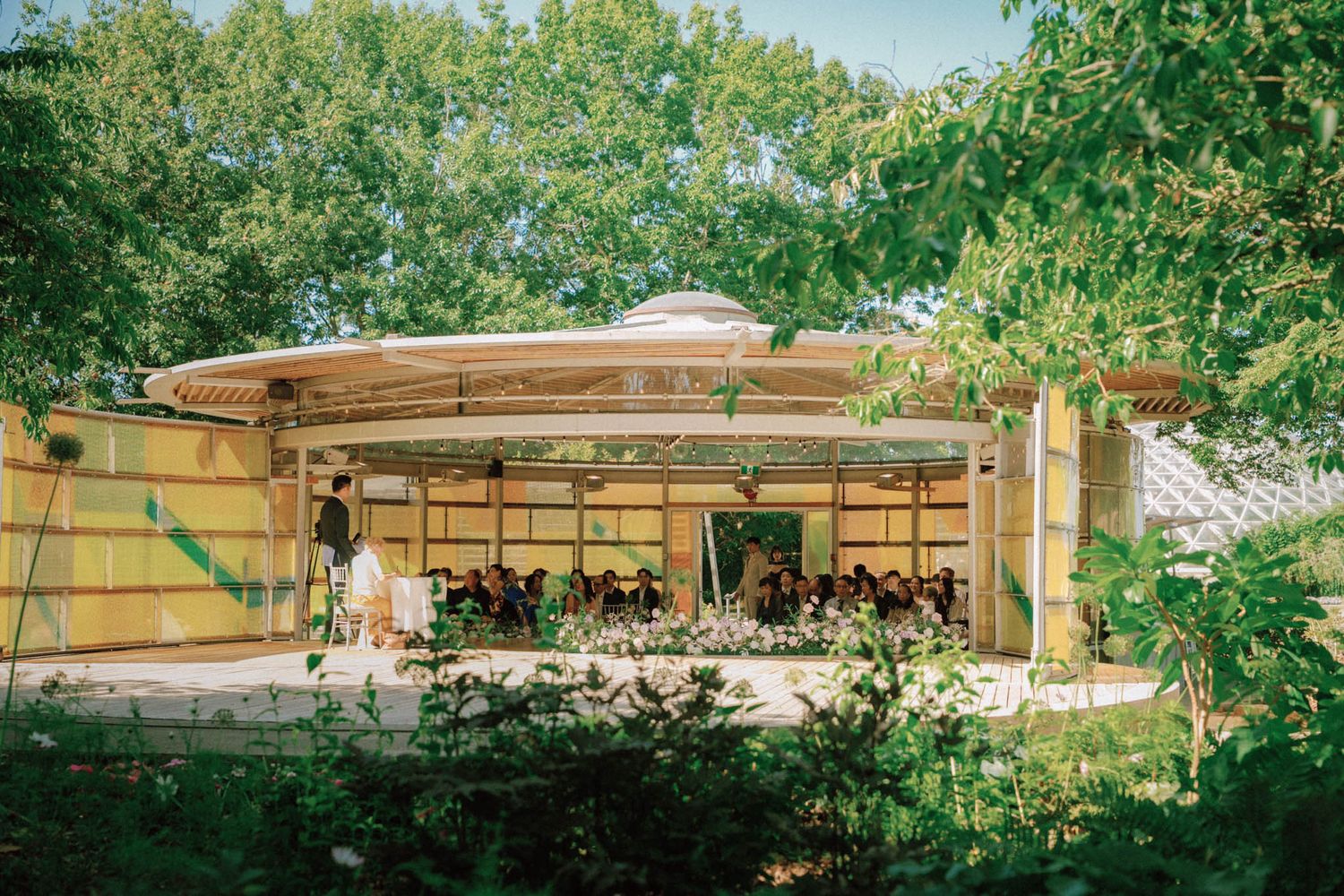
Wedding ceremony
6:00 PM
Family and couple portraits during cocktail hour
7:00 PM
Reception begins
9:00 PM
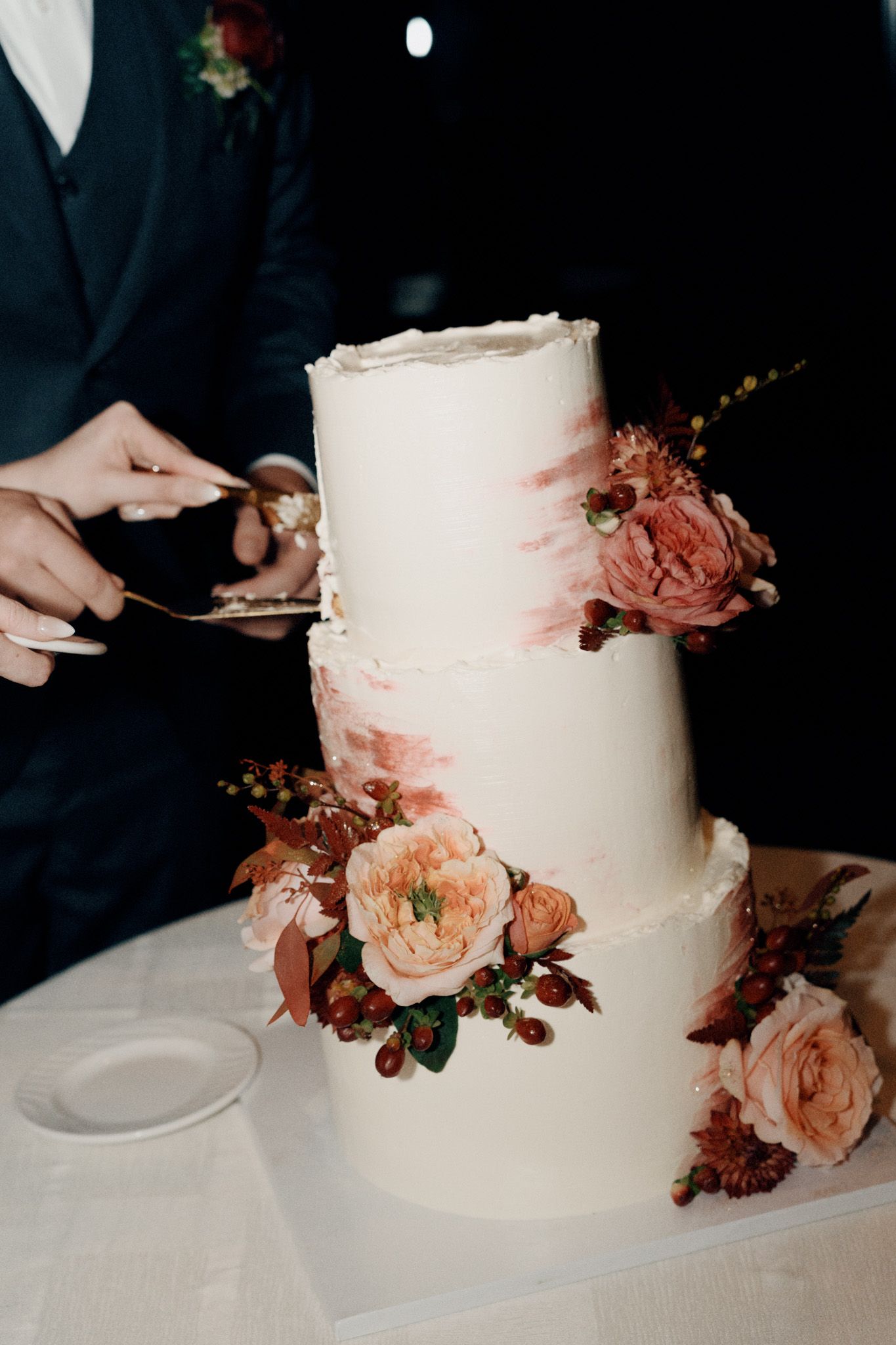
Cake cutting
9:30 PM
Photography coverage ends
Six hours may be enough when:
- Most of your wedding takes place at one venue
- You are planning a first look, giving you time for portraits before the ceremony
- You only want the final getting-ready moments photographed
- Your reception events happen earlier in the evening
- Your family-photo list is relatively short
- You do not need much open-dancing coverage
- You are comfortable following a more structured timeline
To make six hours work comfortably, keep travel to a minimum and schedule your most important reception moments close together.
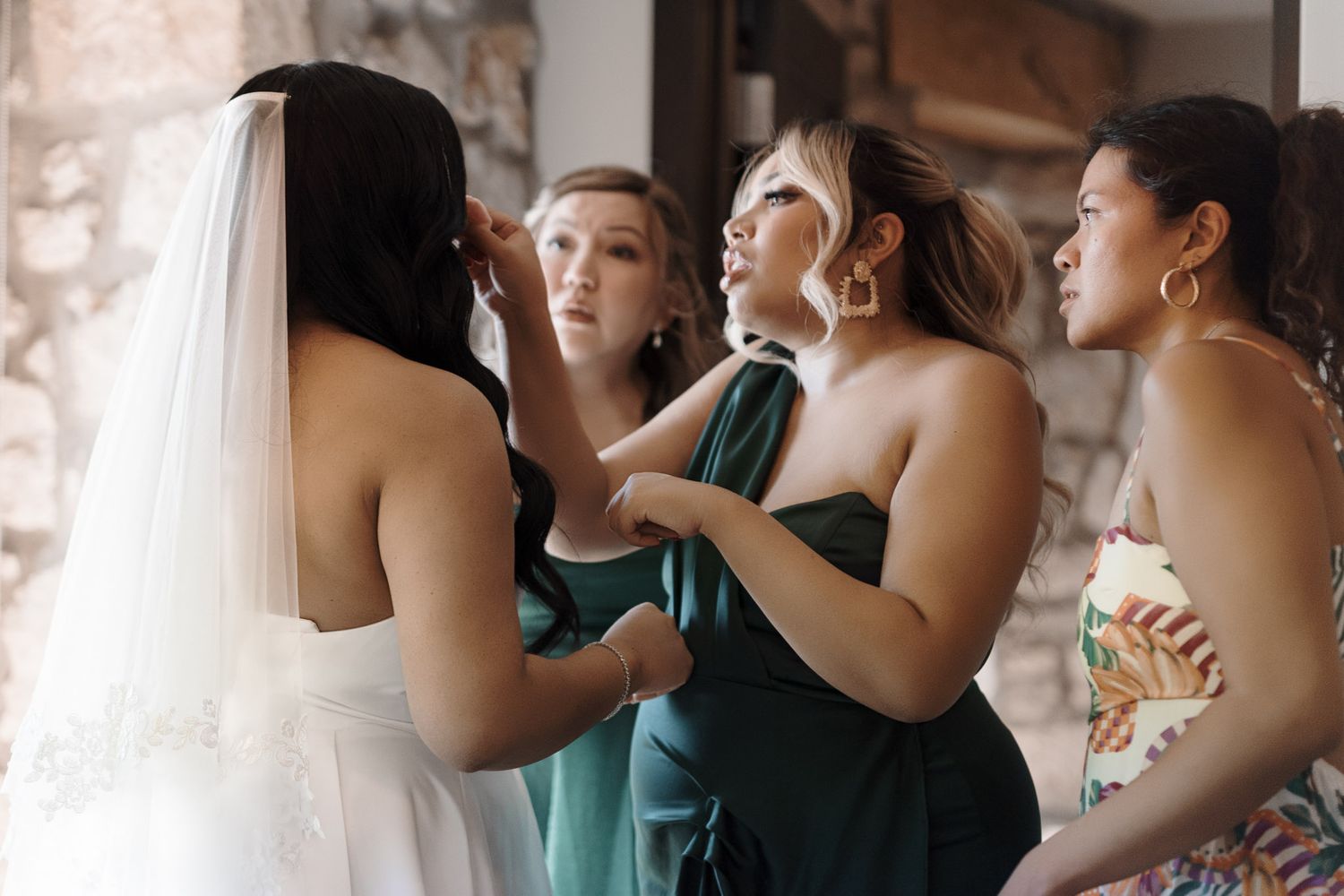
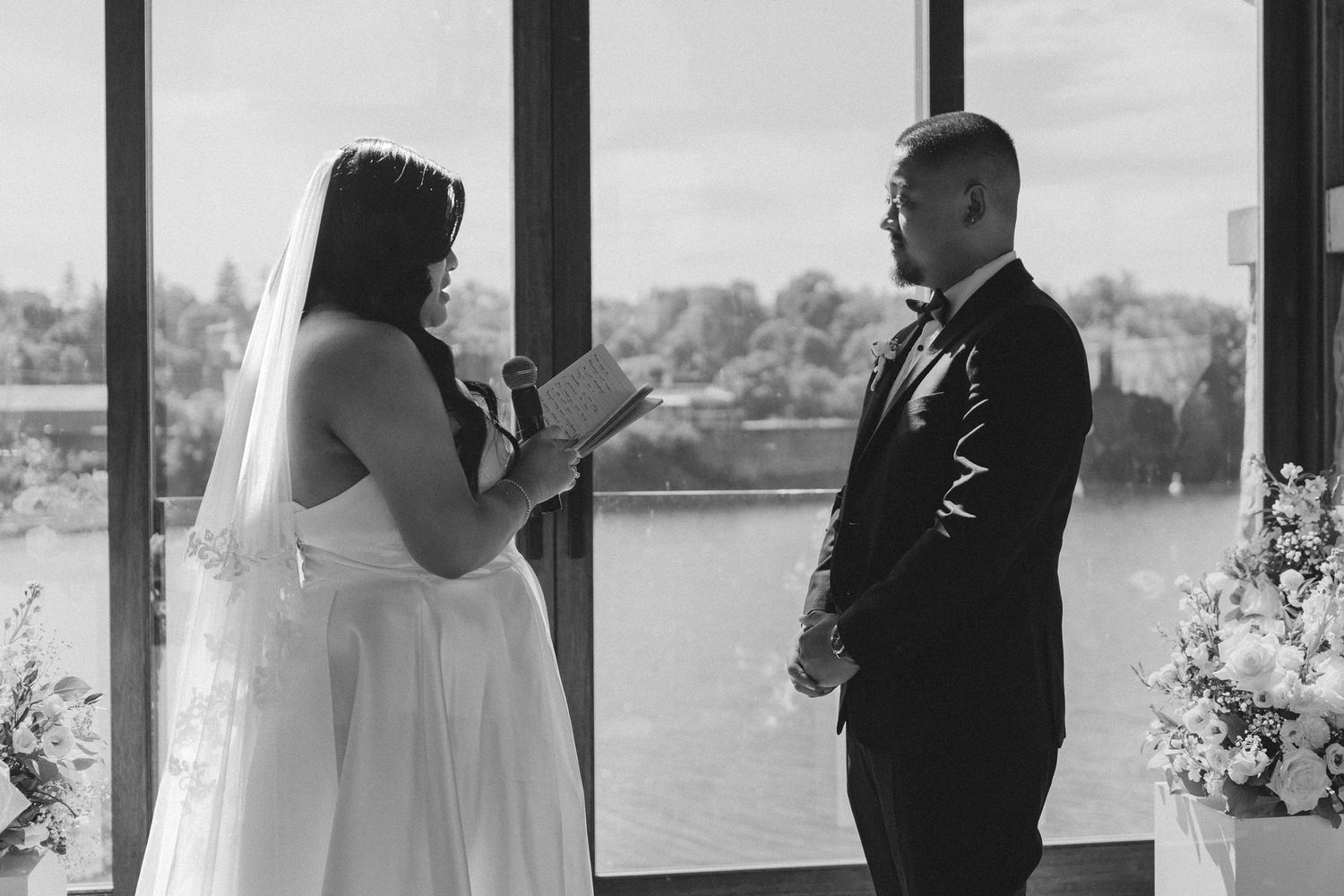
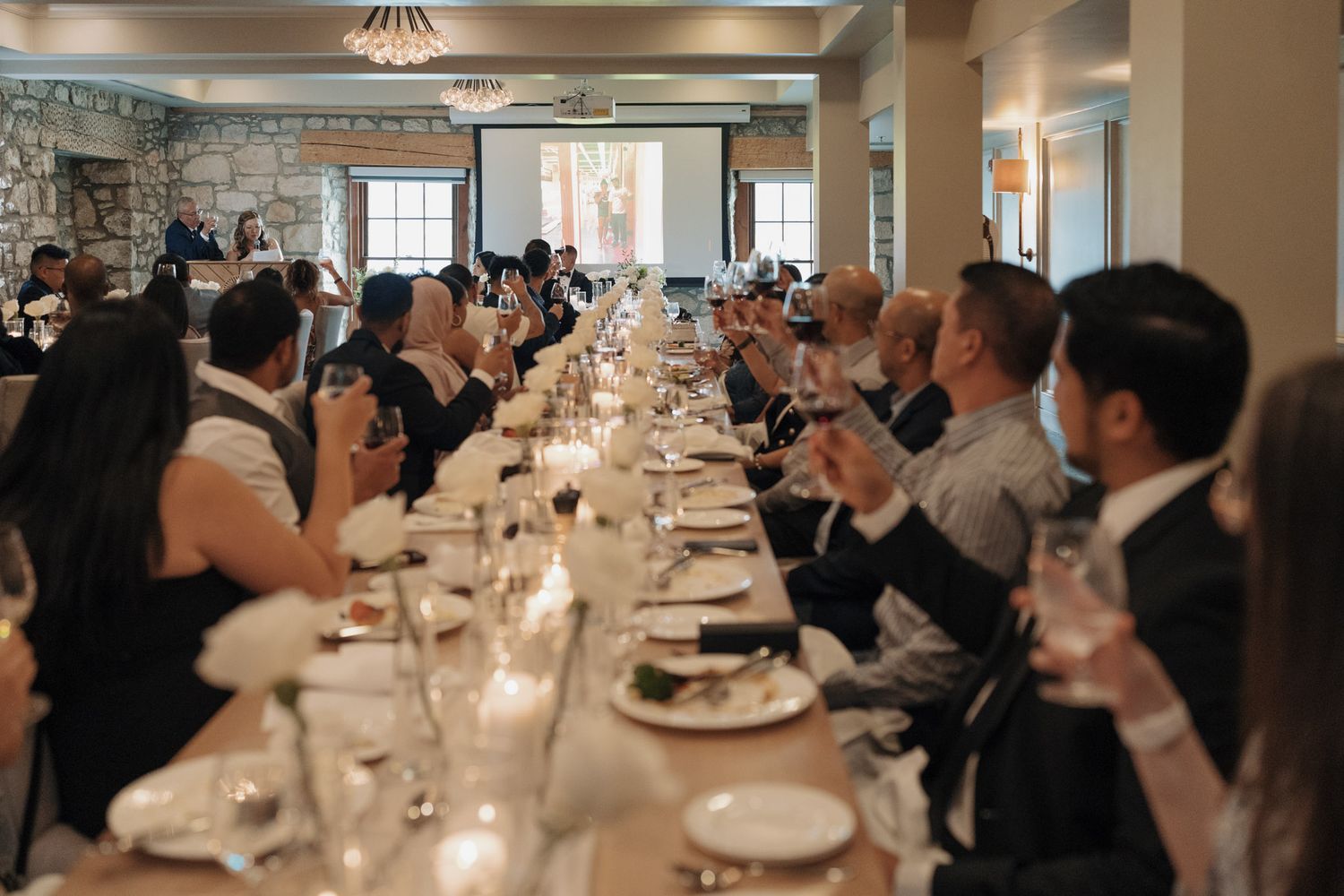
Sample Eight-Hour Wedding Photography Timeline
Eight hours gives the day more breathing room before the ceremony while still covering the main reception events.
Real Eight-Hour Wedding Timeline at The Manor
1:30 PM
Getting-ready coverage, details and finishing touches
2:30 PM
First look and private vows
3:00 PM
Couple, family and wedding-party portraits
5:00 PM
Wedding ceremony
6:00 PM
Cocktail hour and candid guest photos. (couple portraits may happen during this time)
7:00 PM
Reception entrance, dinner, speeches and candid moments.
8:30 PM
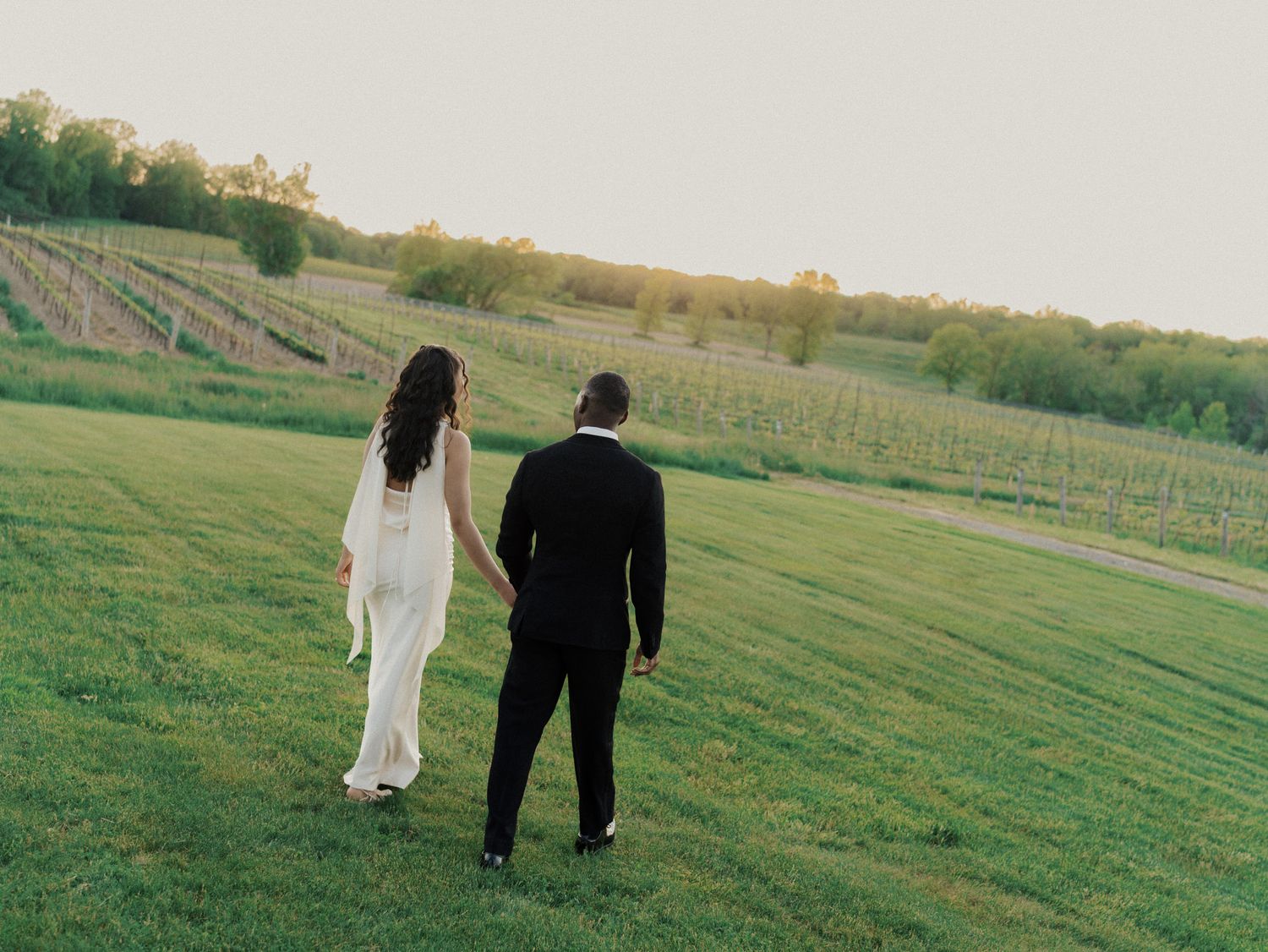
Golden-hour portraits and a quiet moment together
9:00 PM
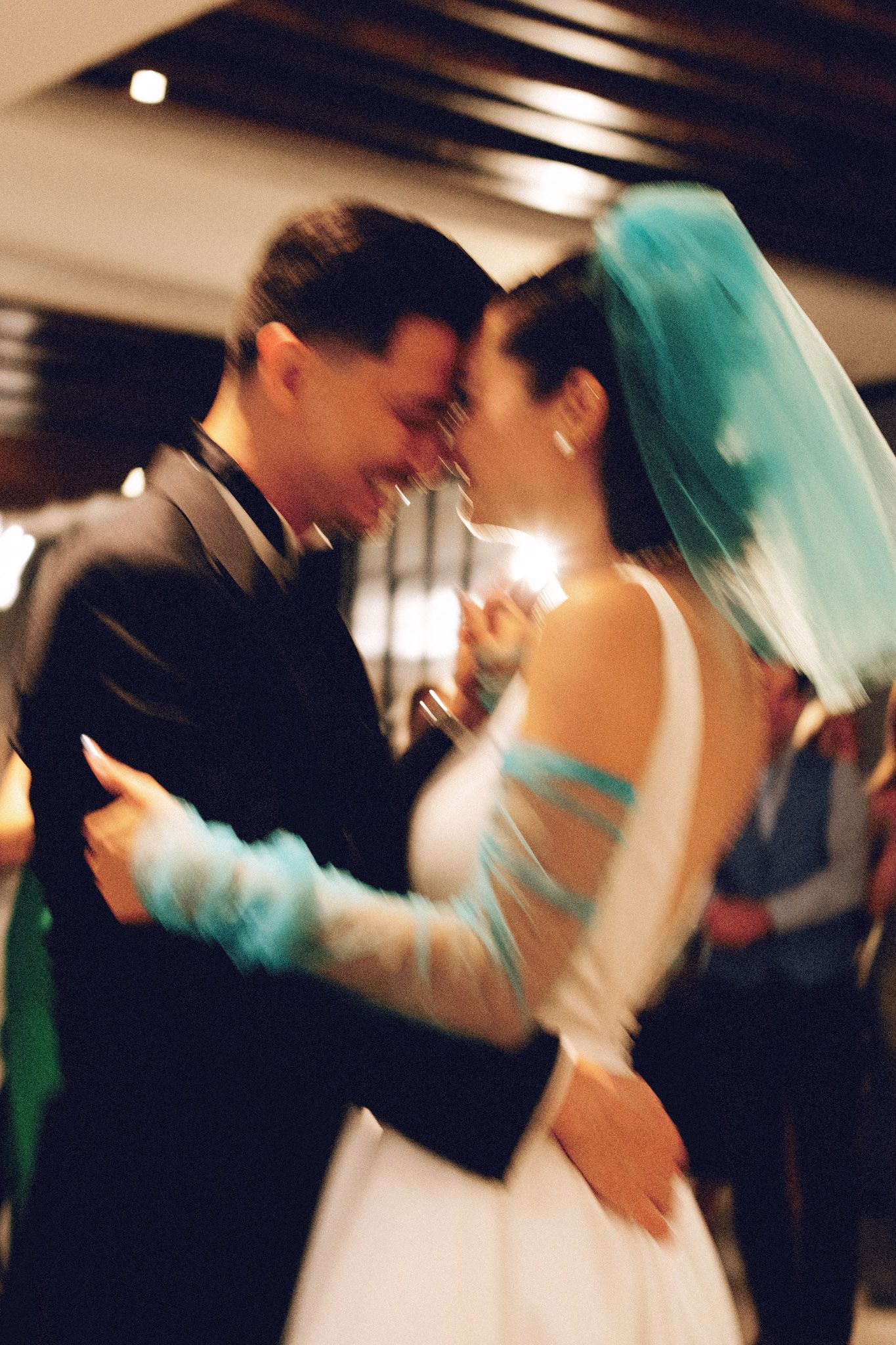
First dance and parent dances
9:30 PM
Cake Cutting. Photography coverage ends
Eight hours may be the right choice when:
- You want coverage from the final getting-ready moments through the first dances
- Your wedding takes place at one or two nearby locations
- You are planning a first look
- You want enough time for family, wedding-party and couple portraits
- Your main reception events happen before late evening
- You want a balanced mix of candid moments, portraits and details
- You want the day to have some flexibility without feeling rushed
Eight hours works best when the timeline is thoughtfully arranged and there are no long gaps between major events.
Sample Ten-Hour Wedding Photography Timeline
Ten hours or more is often the best choice for a full wedding day with multiple locations, larger families, cultural traditions, or a later reception schedule.
It gives each part of the day space to unfold naturally and allows us to document more of the story surrounding the main events.
Real Ten-Hour-Plus Wedding Timeline with Multiple Locations
11:30 AM
Getting-ready coverage, details, and candid moments with each wedding party
1:00 PM
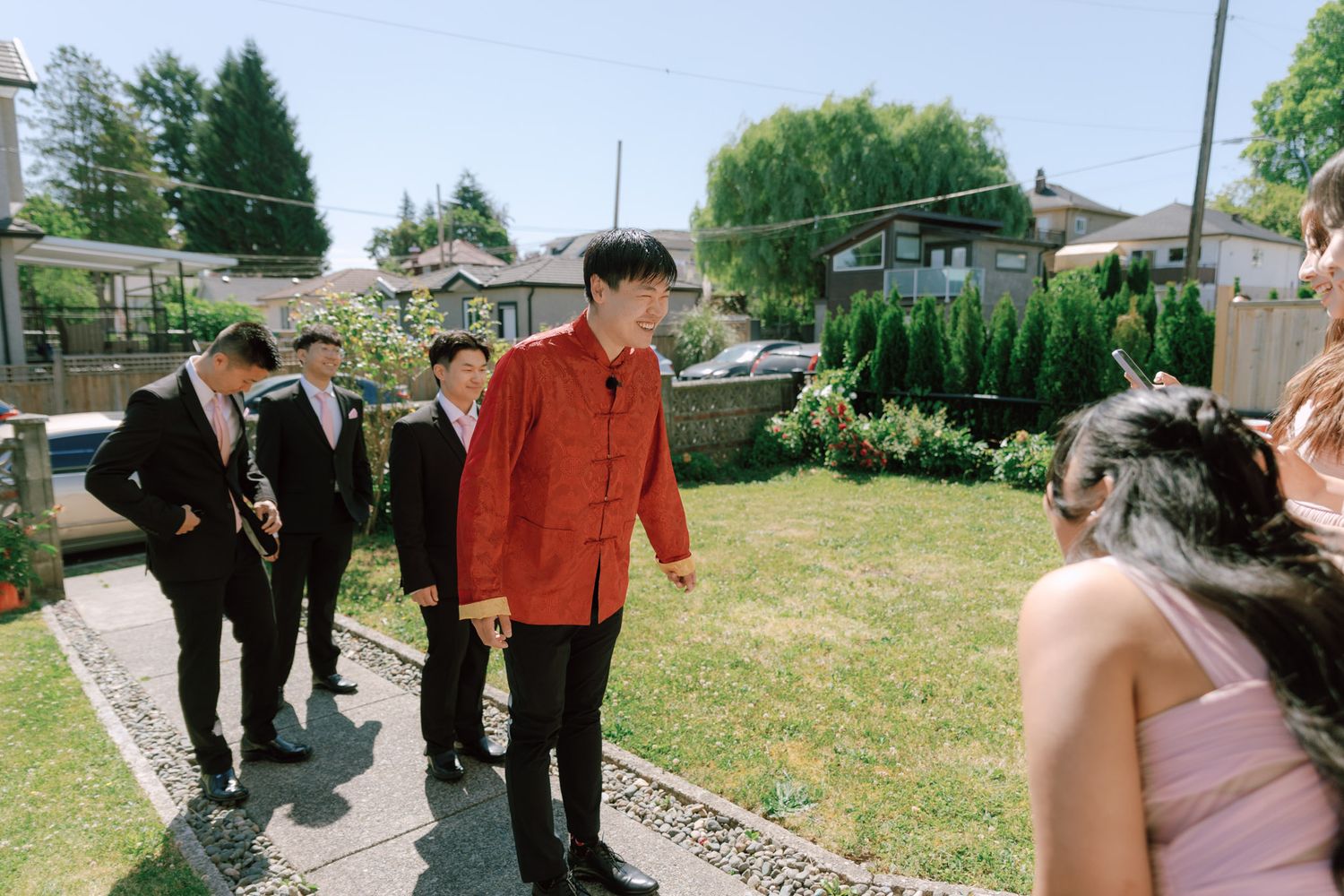
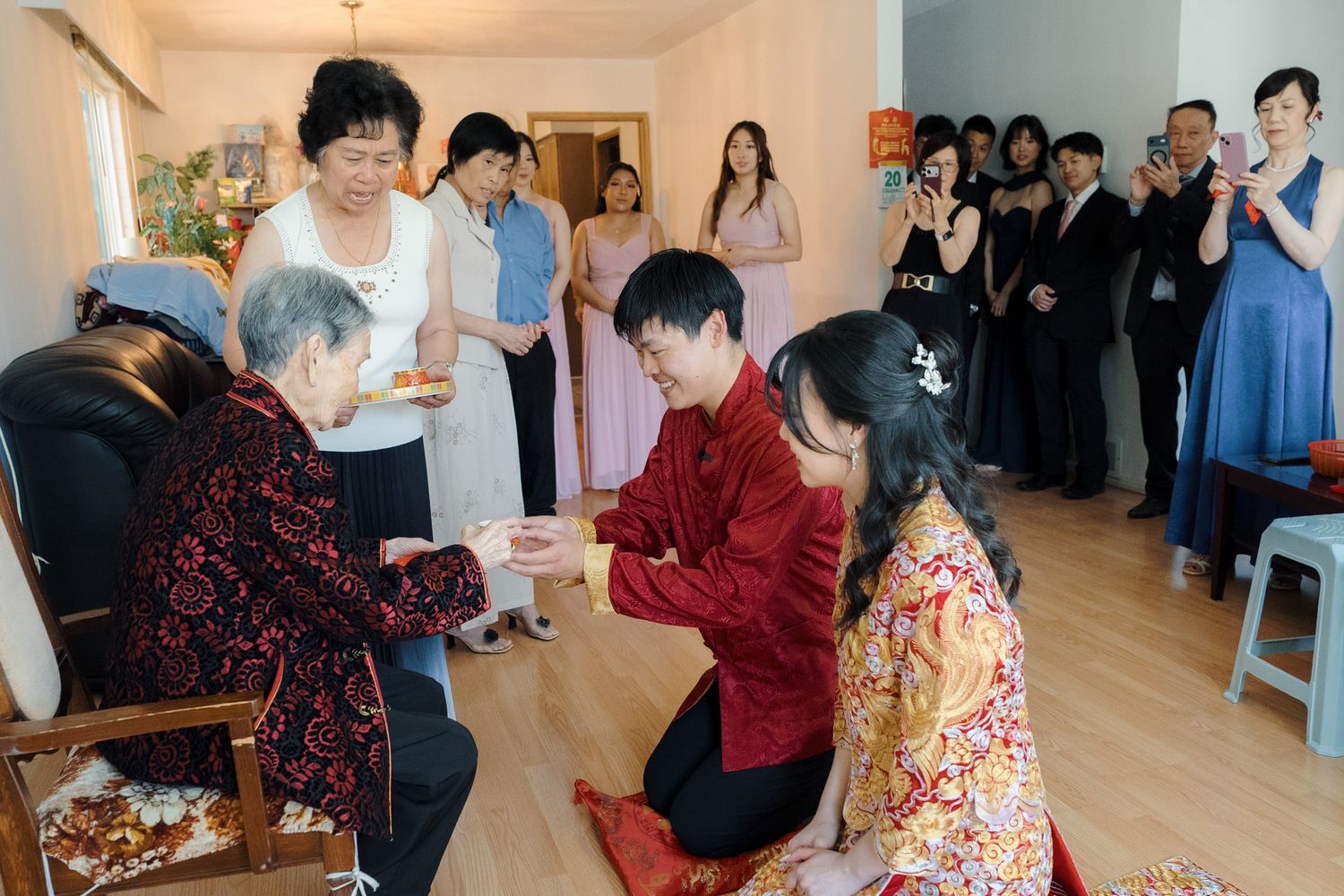
Traditional door games or cultural ceremony
2:00 PM
Wedding-party and immediate-family portraits
3:45 PM
Travel to the ceremony venue
4:30 PM
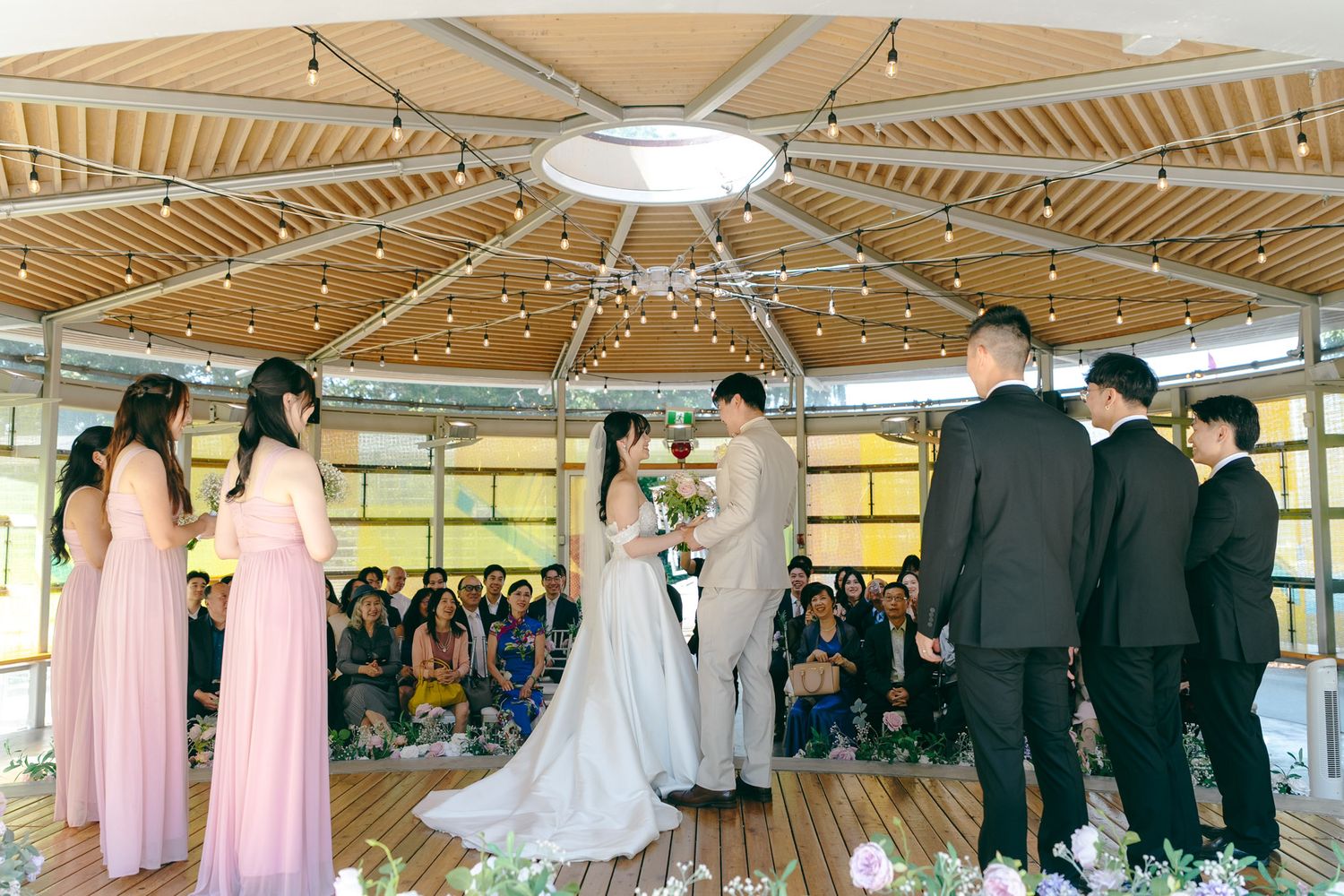
Wedding ceremony
5:15 PM
Extended-family photos and cocktail-hour candids
6:15 PM
Reception entrance and dinner
7:30 PM
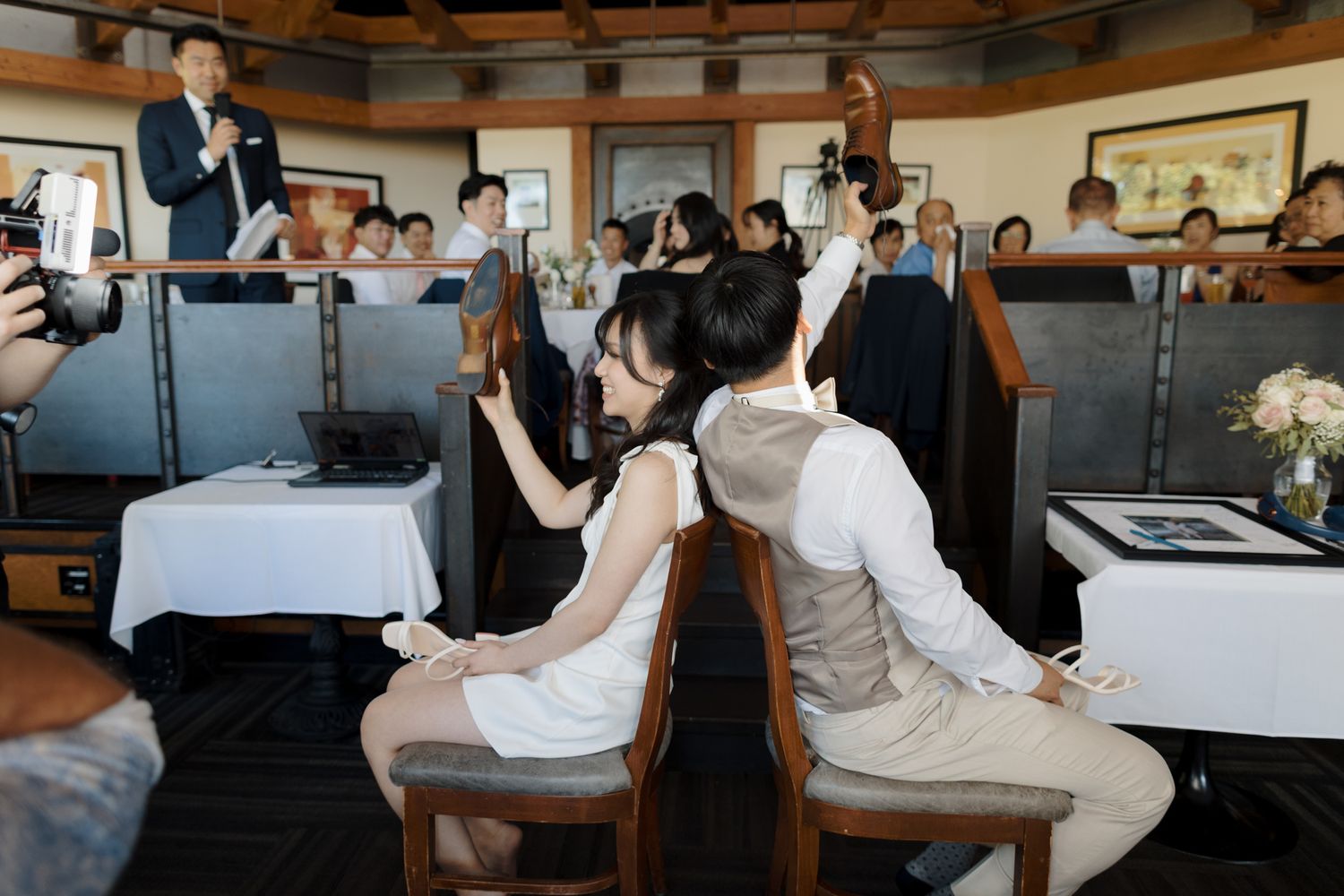
Speeches, games, and table toasting
8:30 PM
Golden-hour or evening portraits
9:00 PM
First dance, parent dances, and cake cutting
9:30 PM
Open dancing and candid reception coverage
10:00 PM
Photography coverage ends
Ten hours or more may be the right choice when:
- You want both partners’ getting-ready moments documented
- You are getting ready in separate locations
- Your ceremony and reception take place at different venues
- You are including a tea ceremony, door games, or other cultural traditions
- You have a larger family-photo list
- You are planning multiple outfits or outfit changes
- You want both daylight and evening portraits
- Your first dances, cake cutting, or other reception events happen later
- You want meaningful dance-floor and guest coverage
- You want more flexibility in case the timeline runs behind
Ten hours does not necessarily mean spending more time posing for photos.
Usually, it means we can photograph the day at a more relaxed pace. There is time for candid moments, conversations with family, unexpected delays, and small parts of the celebration that might otherwise be missed.
What Parts of the Wedding Day Matter Most to You?
Before choosing a package, think about which parts of the wedding story you would be disappointed not to have photographed.
For some couples, getting ready with their closest friends or parents is incredibly meaningful. Others care most about the ceremony, family photos, and portraits. Some couples want the reception energy, speeches, games, and dance floor to be a major part of the gallery.
There is no correct answer.
Your coverage should reflect your priorities rather than following a timeline simply because it is considered traditional.
A few questions to consider:
Do you want both partners getting ready photographed?
Are any family members travelling from far away?
Are you including cultural or religious traditions?
Will you have multiple locations?
How many family-photo combinations are important to you?
Do you want golden-hour or nighttime portraits?
Do you want the first dances, cake cutting, and open dancing documented?
Would you rather have a structured timeline or more room for the day to unfold naturally?
Your answers will usually make it much easier to determine whether six, eight, or ten hours feels right.
Do You Need a First Look?
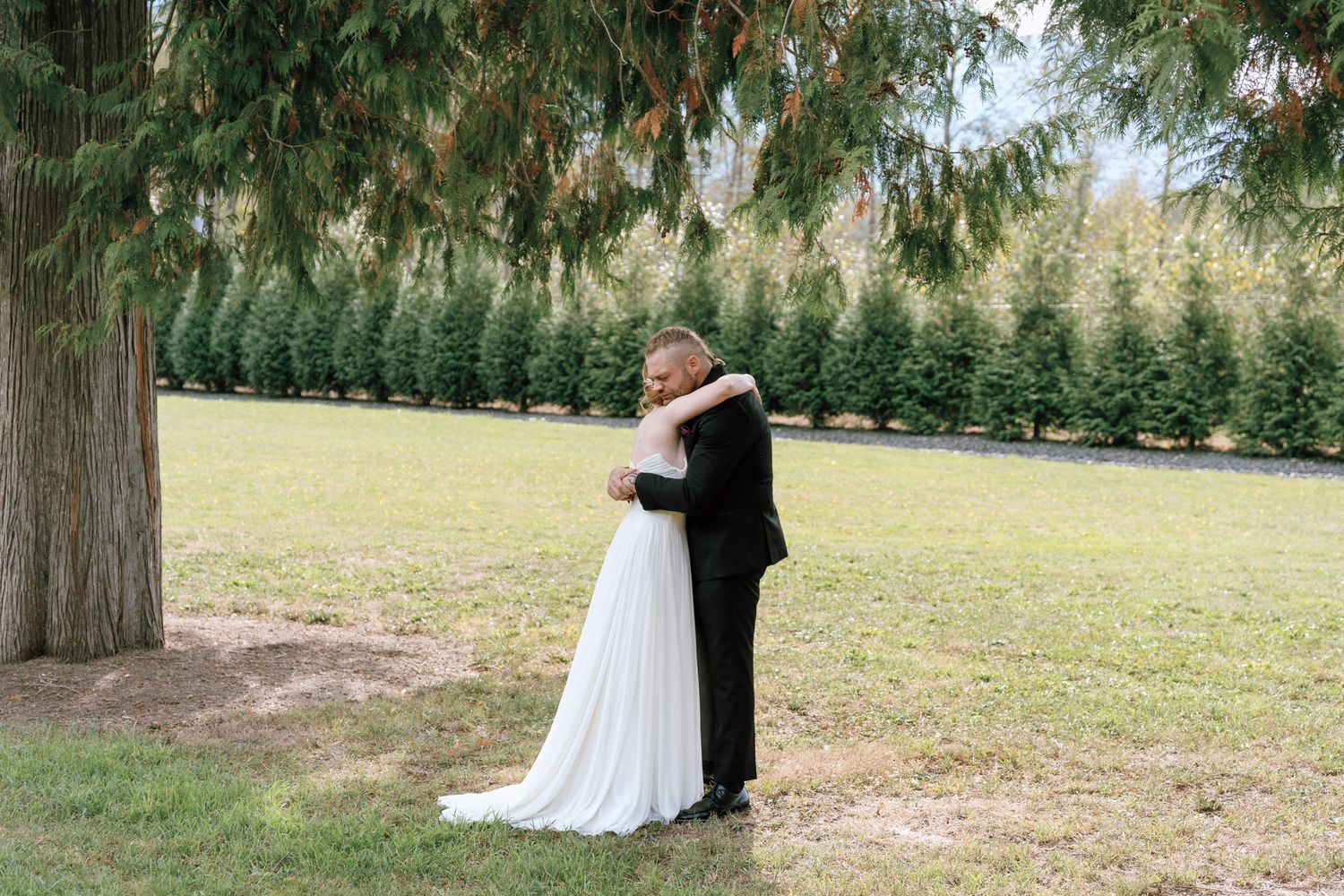
A first look is not required, but it can make the timeline feel much more relaxed.
Seeing each other before the ceremony gives you a quiet moment together before the day gets busy. It can also be a meaningful time to exchange private vows, letters, or simply take everything in together.
It also allows us to complete some or all of your couple, wedding-party, and family portraits before the ceremony, giving you more time to enjoy cocktail hour with your guests.
A first look can be especially helpful when:
- Sunset is shortly after the ceremony
- You have a larger wedding party or family-photo list
- You want to attend most of cocktail hour
- You are working with six or eight hours of coverage
If you prefer to see each other for the first time during the ceremony, that works beautifully too. We will simply plan your portraits for another part of the day.
Do Wedding Photography and Videography Need the Same Number of Hours?
Not always. The right amount of coverage depends on which moments are most important to you in photos and which ones you want to experience again through movement and sound.
Photography may begin earlier to capture details, getting-ready moments, and portraits. Videography often does not need as much getting-ready coverage, so the video team may begin later and stay longer into the reception instead.
For example, video coverage may be more valuable later in the day if you want to hear your private vows and speeches again, see your first dance in motion, or remember the energy of the dance floor.
When you book photography and videography with one team, we can recommend the most efficient coverage for each. Because we already know how to work together, we can coordinate one timeline, avoid duplicating unnecessary coverage, and create photos and films that feel consistent.
So, How Many Hours of Wedding Photography Do You Need?
For a streamlined wedding at one venue, six hours may be enough.
For a traditional wedding day with getting-ready moments, a ceremony, portraits, and the main reception events, eight hours is often a comfortable starting point.
For weddings with multiple locations, cultural traditions, larger families, outfit changes, or later reception events, ten hours or more usually gives the day the breathing room it needs.
You do not need to figure this out on your own. We know wedding planning can feel overwhelming, especially when you are trying to understand how long everything actually takes.
During your discovery call, we will go through your timeline and priorities together, talk about the moments and people that matter most, and recommend the right amount of coverage for your day. We will consider travel time, family photos, traditions, lighting, and how you want the celebration to feel, so we can create a plan that feels personal and leaves room for you to be present.
The goal is to make sure nothing important is missed while still giving you space to be present with each other and your guests. Your wedding should feel like a celebration, not a photoshoot, and your final gallery should include both the beautiful portraits you hoped for and the candid moments you never could have planned.
Planning Your Toronto or Vancouver Wedding?
ILO Studio photographs weddings in Toronto and Vancouver with an editorial and documentary approach.
We offer gentle guidance when it is helpful, while also knowing when to step back and let the real moments unfold. Our goal is to create photographs that feel effortless, nostalgic, and true to the people you shared the day with.
If you are still unsure how much coverage feels right, you can inquire through the link here and tell us a little about your plans. We would be happy to talk through your timeline, locations, guest count, and the moments that matter most to you, then recommend a thoughtful starting point for your day.